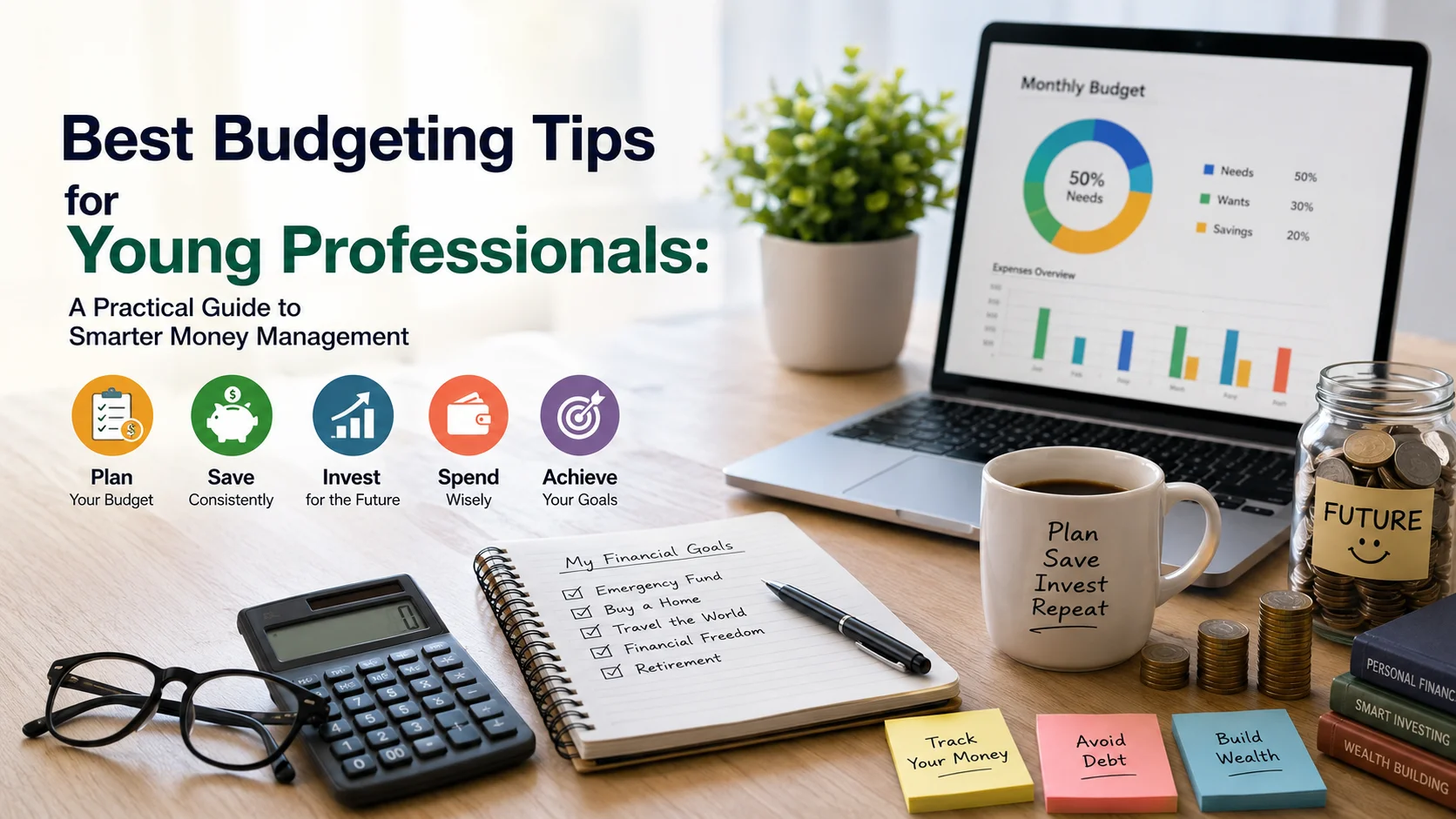
Best Budgeting Tips for Young Professionals: A Practical Guide to Smarter Money Management
Managing money is one of the most important life skills every young professional should learn. Landing your first job brings excitement, financial freedom, and the opportunity to build the life you've always imagined. For the first time, you're earning your own paycheck, making independent decisions, and planning for the future. However, this new freedom also comes with responsibilities. Without a proper budget, even a good salary can disappear before the month ends.
Many young professionals don't struggle because they earn too little—they struggle because they spend without a plan. Small daily expenses, online shopping, subscription services, dining out, and impulse purchases may seem harmless individually, but together they can quietly consume a significant portion of your income. The good news is that budgeting doesn't mean giving up the things you enjoy. It simply means giving every dollar a purpose so your money works for you instead of disappearing without explanation.
Whether your goal is buying your first home, traveling the world, paying off student loans, investing for retirement, or simply living without financial stress, everything begins with a realistic budget. The earlier you develop healthy financial habits, the easier it becomes to build long-term wealth and financial security.
Why Every Young Professional Should Start Budgeting Early
Build Financial Confidence from the Beginning
(i) Take Control: Budgeting gives you complete visibility over your finances. Instead of wondering where your paycheck disappeared, you'll know exactly how every dollar is being used.
(ii) Reduce Financial Anxiety: Money becomes far less stressful when bills, savings, investments, and daily expenses are already planned before the month begins.
(iii) Develop Good Habits: Financial habits formed during your twenties often stay with you for decades. Learning discipline early creates a strong foundation for future success.
(iv) Avoid Living Paycheck to Paycheck: A simple monthly budget helps prevent the cycle where every paycheck is completely spent before the next one arrives.
Create Freedom Instead of Restrictions
(i) Spend Without Guilt: A budget allows you to enjoy entertainment, travel, or hobbies because you've already planned for those expenses.
(ii) Prioritize What Matters: Instead of spending impulsively, your money goes toward goals that truly improve your life.
(iii) Increase Financial Flexibility: When unexpected opportunities appear, having savings gives you the freedom to take advantage of them.
Understand Your Income Before Planning Your Budget
Know Your Actual Monthly Income
(i) Calculate Net Income: Always build your budget using the amount that reaches your bank account after taxes, insurance, retirement contributions, and other deductions.
(ii) Include Additional Earnings: Freelancing, consulting, rental income, commissions, bonuses, and side hustles should all be recorded separately to create a complete financial picture.
(iii) Estimate Variable Income Carefully: If your monthly earnings fluctuate, use your average income from the past six to twelve months instead of relying on your highest-paying month.
Separate Income by Categories
(i) Primary Income: Your regular salary forms the foundation of your monthly financial plan.
(ii) Secondary Income: Additional earnings should strengthen savings and investments instead of increasing unnecessary lifestyle expenses.
(iii) Unexpected Income: Tax refunds, bonuses, gifts, or incentives are excellent opportunities to build wealth rather than increase spending.
Track Every Dollar Before It Disappears
Small Expenses Matter More Than You Think
(i) Daily Coffee: A five-dollar coffee may not seem expensive, but buying it every workday can cost more than a thousand dollars over a year.
(ii) Food Delivery: Ordering meals several times a week often becomes one of the biggest hidden expenses for young professionals.
(iii) Streaming Services: Many people continue paying for subscriptions they rarely use simply because they forget they're active.
(iv) Impulse Shopping: Flash sales and limited-time discounts often encourage unnecessary purchases that quickly damage a monthly budget.
Simple Ways to Track Spending
(i) Review Bank Statements: Spend ten minutes each week reviewing your transactions to understand where your money actually goes.
(ii) Use Budgeting Apps: Modern budgeting apps automatically categorize expenses and provide valuable insights into your spending habits.
(iii) Keep Digital Notes: Recording purchases immediately after spending improves awareness and reduces careless financial decisions.
(iv) Identify Spending Patterns: Once you recognize your biggest expense categories, it becomes much easier to reduce unnecessary costs without sacrificing your lifestyle.
Set Financial Goals That Motivate You
Know What You're Saving For
(i) Emergency Fund: Building three to six months of living expenses should be one of the first financial goals for every young professional.
(ii) Debt-Free Living: Paying off high-interest loans early reduces financial pressure and creates more opportunities for future investments.
(iii) Home Ownership: Even small monthly savings can gradually become the down payment for your first home.
(iv) Travel Goals: Planning vacations through monthly savings is far better than relying on credit cards after the trip.
(v) Retirement Planning: Starting early allows compound growth to work in your favor, making long-term wealth building much easier.
Break Large Goals into Small Milestones
(i) Monthly Targets: Saving $300 every month feels much more achievable than trying to save $3,600 at the end of the year.
(ii) Celebrate Progress: Every financial milestone reached increases motivation and encourages consistent budgeting habits.
(iii) Stay Flexible: Life changes, and your financial goals should adapt accordingly without abandoning your overall budgeting strategy.
Follow the 50/30/20 Budget Rule
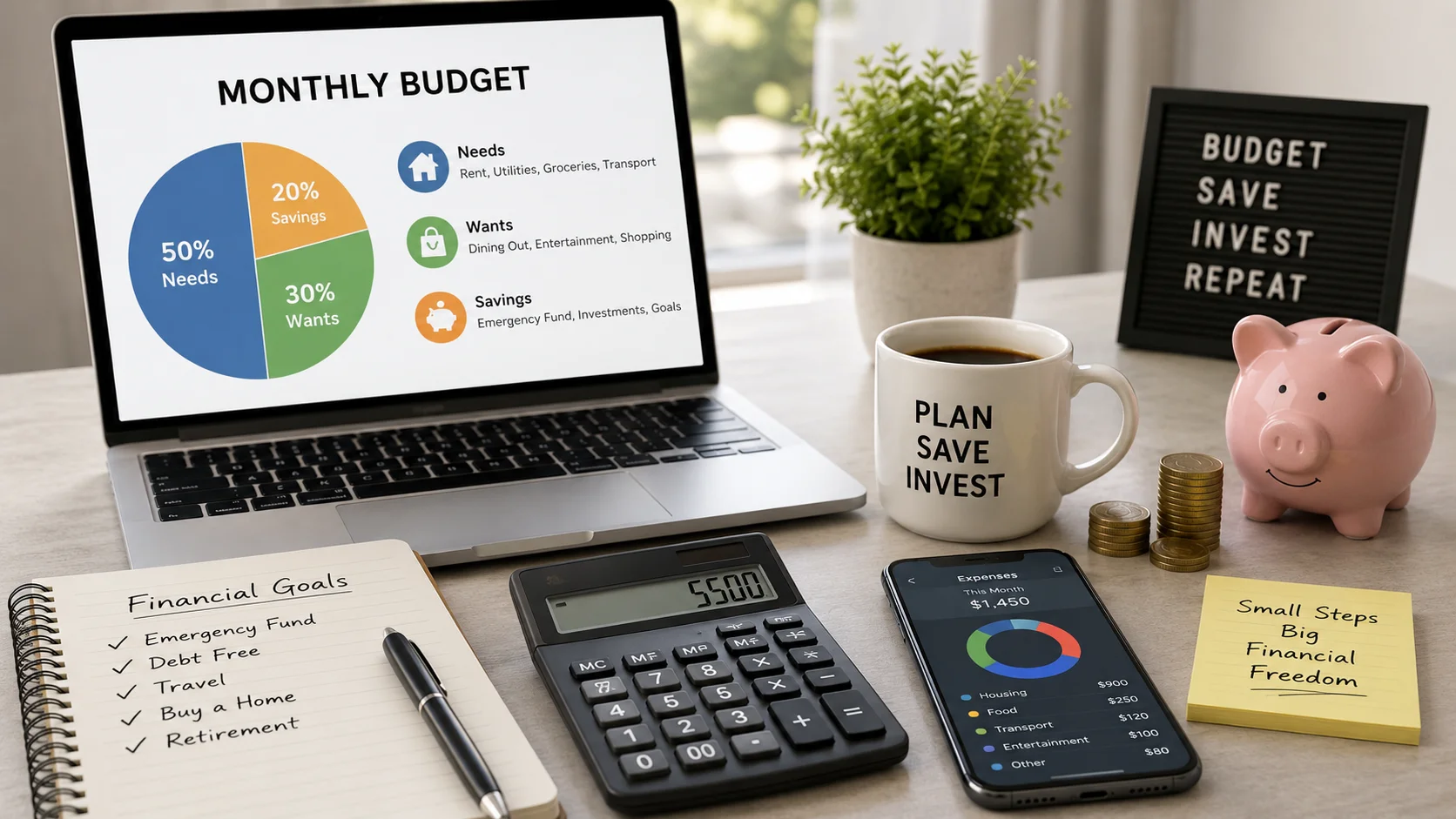
One of the simplest and most effective budgeting methods is the 50/30/20 Rule. It helps young professionals divide their monthly income into three clear categories—needs, wants, and savings. Instead of wondering how much to spend or save, this method provides an easy financial framework that works for most income levels.
Understand the 50% Rule
(i) Essential Expenses: Around 50% of your monthly income should cover necessities such as rent, groceries, transportation, insurance, utility bills, healthcare, and minimum loan payments.
(ii) Prioritize Basic Needs: Focus on expenses that are necessary for your daily life before spending money on entertainment or luxury items.
(iii) Review Monthly Bills: If your essential expenses exceed 50%, consider reducing housing costs, changing utility plans, or limiting unnecessary subscriptions.
Use 30% for Lifestyle Choices
(i) Enjoy Your Income: Budgeting doesn't mean eliminating fun. Allocate a reasonable amount for dining out, movies, shopping, travel, hobbies, and weekend activities.
(ii) Spend with Purpose: Choose experiences and purchases that genuinely improve your quality of life instead of making impulse purchases.
(iii) Avoid Overspending: Lifestyle expenses should remain within your planned budget so they never interfere with savings or essential bills.
Save the Remaining 20%
(i) Build Future Wealth: Dedicate at least 20% of your income toward savings, retirement accounts, emergency funds, and long-term investments.
(ii) Automate Savings: Schedule automatic transfers immediately after payday so saving becomes a habit instead of an afterthought.
(iii) Increase Savings Gradually: Whenever your salary increases, save a portion of the raise before adjusting your lifestyle.
Build an Emergency Fund Before Investing
Prepare for Unexpected Situations
(i) Financial Safety Net: An emergency fund protects you during unexpected situations such as job loss, medical emergencies, home repairs, or urgent travel.
(ii) Avoid High-Interest Debt: Having emergency savings reduces the need to rely on credit cards or personal loans during difficult times.
(iii) Sleep Better: Knowing you have money set aside for emergencies provides peace of mind and financial confidence.
How Much Should You Save?
(i) Start Small: Don't wait until you can save thousands of dollars. Begin with your first $500 or $1,000 emergency fund.
(ii) Three to Six Months: Financial experts generally recommend saving enough to cover three to six months of essential living expenses.
(iii) Separate Savings Account: Keep your emergency fund in a dedicated account so you're not tempted to spend it on everyday purchases.
Pay Off High-Interest Debt First
Don't Let Interest Work Against You
(i) Credit Card Debt: High-interest credit card balances can quickly grow if only minimum payments are made each month.
(ii) Focus on Expensive Debt: Prioritize loans with the highest interest rates before paying extra toward lower-interest debts.
(iii) Save More Over Time: Paying off expensive debt early reduces total interest costs and frees more money for investing.
Choose a Debt Repayment Strategy
(i) Debt Avalanche Method: Pay extra toward the highest-interest debt while making minimum payments on all other balances.
(ii) Debt Snowball Method: Eliminate smaller debts first to build confidence and stay motivated throughout the repayment journey.
(iii) Stay Consistent: Regular monthly payments matter more than occasional large payments that cannot be maintained.
Avoid Lifestyle Inflation
Don't Spend Every Salary Increase
(i) Stay Financially Smart: Receiving a raise doesn't mean every aspect of your lifestyle needs to become more expensive.
(ii) Increase Investments: Direct part of every salary increase toward retirement accounts, index funds, or long-term savings.
(iii) Maintain Good Habits: Continue following the budgeting habits that helped you become financially stable in the first place.
Recognize Lifestyle Inflation
(i) Luxury Upgrades: Frequently upgrading phones, cars, furniture, or apartments simply because income has increased can slow wealth creation.
(ii) Social Pressure: Avoid spending money to impress others or keep up with friends who may have completely different financial situations.
(iii) Think Long-Term: Small financial decisions made today often determine your financial freedom years from now.
Automate Your Savings
Make Saving Effortless
(i) Pay Yourself First: Transfer money into savings immediately after receiving your salary before spending on non-essential items.
(ii) Remove Temptation: Automatic transfers reduce the temptation to spend money that should have been saved.
(iii) Build Consistency: Small automatic deposits made every month often produce better long-term results than irregular large contributions.
Create Multiple Savings Goals
(i) Emergency Fund: Protect yourself against unexpected financial challenges.
(ii) Travel Savings: Plan vacations without relying on borrowed money.
(iii) Investment Fund: Build wealth by setting aside money specifically for future investments.
(iv) Major Purchases: Save gradually for a home, vehicle, or other significant financial goals instead of financing everything through debt.
Use Technology to Manage Your Budget Efficiently
Technology has made budgeting easier than ever before. You no longer need complicated spreadsheets or notebooks to manage your money. Modern budgeting apps automatically organize your expenses, monitor spending habits, and help you stay on track with your financial goals. The key is not choosing the most advanced app—it's choosing one that you'll actually use consistently.
Choose the Right Budgeting Tool
(i) Budgeting Apps: Mobile budgeting apps automatically categorize expenses, monitor spending patterns, and provide useful reports that make financial planning much easier.
(ii) Bank Notifications: Enable transaction alerts to receive instant updates whenever money enters or leaves your account. This helps you stay aware of your daily spending.
(iii) Simple Spreadsheets: If you prefer complete control, maintaining a simple spreadsheet is still one of the most effective ways to monitor income, expenses, and monthly savings.
Review Your Budget Regularly
(i) Weekly Checkups: Spending just fifteen minutes every weekend reviewing your finances can prevent small problems from becoming major financial mistakes.
(ii) Monthly Adjustments: Your budget should evolve as your income, responsibilities, and financial goals change throughout the year.
(iii) Track Progress: Comparing this month's expenses with previous months helps you recognize positive habits and identify areas that still need improvement.
Start Investing as Early as Possible
Many young professionals believe investing requires a large amount of money. In reality, time is often more valuable than the amount you invest. Starting early allows compound growth to work in your favor, helping small investments grow steadily over many years.
Why Early Investing Matters
(i) Compound Growth: Investment returns generate additional returns over time, allowing your money to grow faster the longer it remains invested.
(ii) Lower Financial Pressure: Starting early means you don't have to invest extremely large amounts later in life to achieve the same financial goals.
(iii) Build Long-Term Wealth: Consistent investing over several decades can create significant financial security for retirement and future opportunities.
Invest Responsibly
(i) Understand Before Investing: Never invest in financial products you don't understand. Take time to learn basic investment principles before risking your money.
(ii) Diversify Investments: Spreading investments across different asset types helps reduce overall financial risk.
(iii) Stay Patient: Successful investing is usually a long-term journey rather than a quick way to become wealthy.
Common Budgeting Mistakes Young Professionals Should Avoid
Ignoring Small Expenses
(i) Daily Spending: Small purchases may seem insignificant, but repeated every day they can quietly consume thousands of dollars each year.
(ii) Subscription Overload: Forgotten streaming services, software subscriptions, and premium memberships often continue charging long after they're no longer useful.
(iii) Impulse Buying: Emotional purchases made during online sales or limited-time promotions rarely provide lasting value.
Living Beyond Your Means
(i) Credit Card Dependence: Using credit cards to maintain a lifestyle you can't comfortably afford often leads to unnecessary debt.
(ii) Social Comparison: Trying to match the spending habits of friends, coworkers, or influencers can quickly damage your financial health.
(iii) Ignoring Future Goals: Spending every paycheck today leaves little room for tomorrow's opportunities and financial security.
Skipping Savings
(i) Waiting for the Perfect Time: Many people postpone saving until they earn more, but good financial habits should begin with your current income.
(ii) Saving What's Left: Saving after spending rarely works because very little money remains at the end of the month.
(iii) Lack of Consistency: Regular monthly savings, even in small amounts, usually outperform occasional large deposits.
Create Financial Habits That Last a Lifetime
Think Beyond Monthly Budgets
(i) Develop Discipline: Budgeting is not a one-month challenge. It's a lifelong habit that supports every major financial decision you make.
(ii) Keep Learning: Reading books, following trusted financial experts, and improving your financial knowledge leads to better money decisions.
(iii) Review Financial Goals: Your priorities will change throughout your career, so update your budget regularly to reflect your current objectives.
Focus on Progress Instead of Perfection
(i) Small Improvements Matter: Every positive financial decision, no matter how small, contributes to long-term financial success.
(ii) Learn from Mistakes: Everyone makes financial mistakes. The important part is recognizing them, adjusting your habits, and moving forward.
(iii) Stay Consistent: Consistency always produces better financial results than trying to follow a perfect budget for only a short period.
Develop a Healthy Money Mindset
See Money as a Tool, Not a Goal
(i) Purpose-Driven Spending: Money should support your goals, improve your quality of life, and provide financial security rather than becoming a source of stress.
(ii) Balance Enjoyment and Responsibility: Saving for the future is important, but it's equally valuable to enjoy your present responsibly without overspending.
(iii) Financial Freedom: The ultimate purpose of budgeting is creating choices, reducing stress, and giving yourself greater control over your future.
Frequently Asked Questions (FAQs)
What is the best budgeting method for young professionals?
Answer: The 50/30/20 budgeting rule is one of the easiest and most practical methods for beginners. It divides your income into essential expenses, personal wants, and savings, making it easier to manage money without creating unnecessary financial pressure.
How much money should I save every month?
Answer: Financial experts generally recommend saving at least 20% of your monthly income. However, if you're just starting your career, even saving 10% consistently is better than not saving at all. The important goal is to build the habit of saving regularly.
Should I pay off debt before investing?
Answer: High-interest debt, especially credit card balances, should usually be paid off before making significant investments. Reducing expensive debt provides a guaranteed financial benefit and improves your overall financial health.
Why do many young professionals struggle with budgeting?
Answer: Common reasons include impulse spending, lifestyle inflation, poor expense tracking, subscription overload, and the lack of clear financial goals. Creating a realistic monthly budget helps overcome these challenges.
Is budgeting only for people with low income?
Answer: No. Budgeting is valuable for people at every income level. Higher earnings do not automatically create financial security. Managing money wisely is far more important than simply earning more money.
How often should I review my budget?
Answer: A quick weekly review helps monitor spending, while a detailed monthly review allows you to adjust your budget based on changes in income, expenses, and financial goals.
Can budgeting improve my financial future?
Answer: Yes. A well-planned budget improves savings, reduces debt, supports investing, and helps achieve important milestones such as buying a home, starting a business, or preparing for retirement.
What is the biggest budgeting mistake to avoid?
Answer: One of the biggest mistakes is spending first and saving whatever is left. A better approach is to save first, then plan your remaining expenses around the money available.
Final Thoughts
Creating a budget isn't about restricting your lifestyle—it's about creating opportunities for your future. Every dollar you earn has the potential to help you build financial security, reduce stress, and achieve goals that matter most to you. Whether you're beginning your first job or advancing in your career, developing smart budgeting habits today will continue to benefit you for years to come.
Financial success rarely depends on earning the highest salary. Instead, it comes from making thoughtful decisions with the income you already have. Tracking expenses, controlling unnecessary spending, saving consistently, avoiding high-interest debt, and investing wisely are habits that gradually build long-term wealth. Small improvements made every month often produce remarkable financial results over time.
Remember that budgeting is not about perfection. There will be months when unexpected expenses arise or financial plans need to change. What matters most is staying consistent, reviewing your progress regularly, and learning from every experience. As your income grows and your responsibilities evolve, your budget should adapt while continuing to support your financial goals.
The journey toward financial freedom begins with a single decision—to take control of your money instead of allowing your money to control you. Start with a realistic budget, remain disciplined, celebrate small milestones, and continue improving your financial knowledge. Over time, these simple habits can create lasting financial confidence, greater opportunities, and a more secure future.
 ATP Education